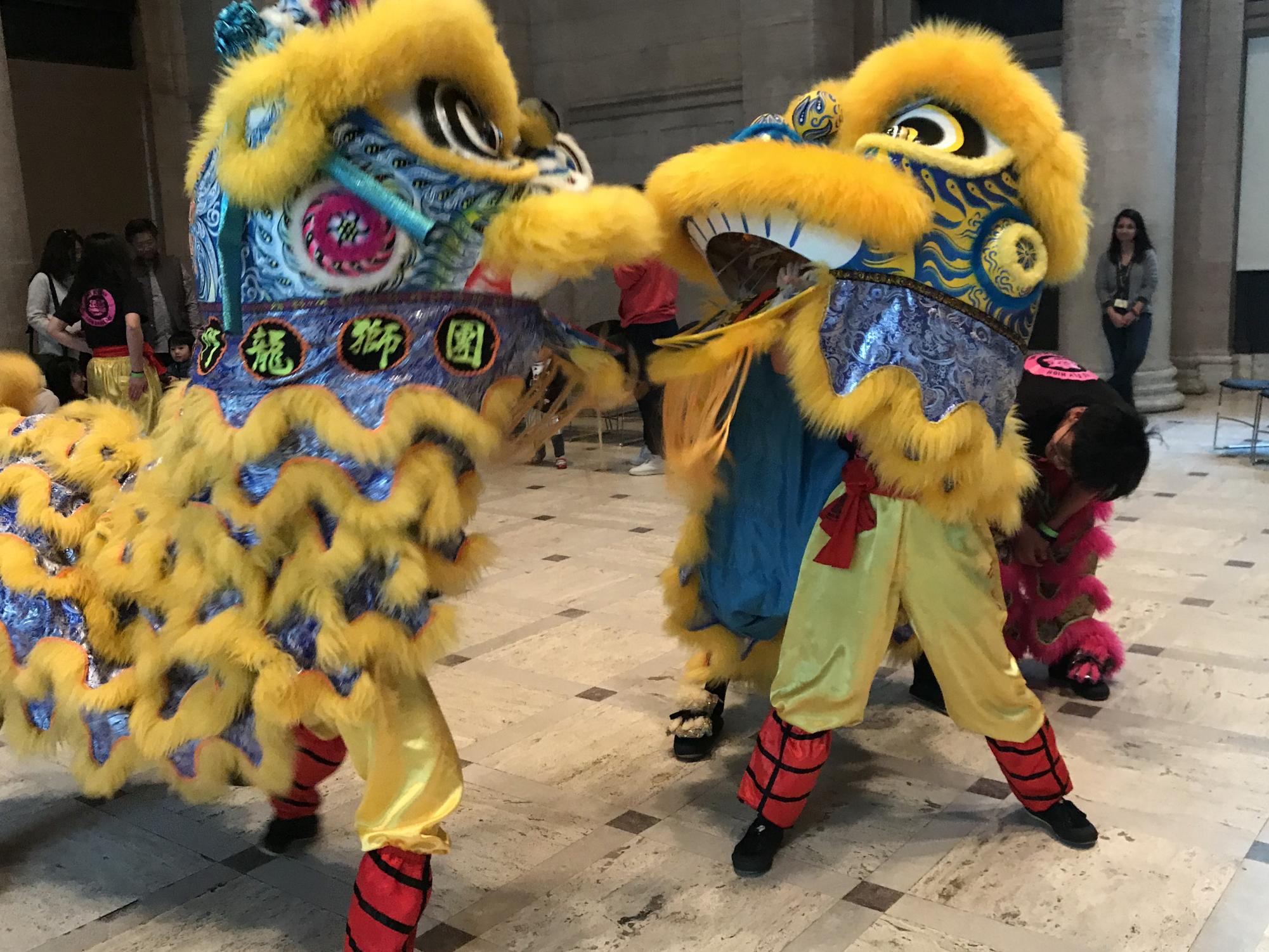
The vibrant rhythms of drums, the shimmering body of a winding dragon, and the electrifying energy of performers—these are the defining elements of the dragon dance, a centuries-old tradition that continues to captivate audiences around the world. In Sacramento, this cultural performance has evolved into a powerful symbol of heritage, community, and celebration. From its ancient Chinese origins to its modern-day presence in California’s capital, the dragon dance represents far more than entertainment—it is a living tradition that bridges generations and cultures.
The Ancient Origins of the Dragon Dance
The dragon dance traces its roots back over 2,000 years to ancient China, particularly during the Han Dynasty (206 BCE–220 CE). Initially, it was not a performance meant for entertainment but rather a sacred ritual. Communities performed the dance to honor ancestors and pray for rain, which was essential for agriculture and survival. (China Highlights)
In early Chinese belief systems, dragons were revered as divine creatures that controlled water, rainfall, and weather patterns. As such, they were seen as protectors and providers. The dance itself became a way to communicate with these spiritual forces, invoking blessings for prosperity and good harvests. (NLB)
Over time, particularly during the Tang and Song dynasties, the dragon dance transitioned from ritual to celebration. It became a central feature of festivals, especially Lunar New Year, where it symbolized renewal, abundance, and joy. (China Highlights)
Symbolism and Cultural Meaning
At its core, the dragon dance is rich in symbolism. The Chinese dragon itself is unlike the fearsome creatures depicted in Western mythology. Instead, it represents power, wisdom, dignity, and good fortune. (Wikipedia)
The movements of the dragon—flowing, spiraling, and undulating—are designed to mimic the natural forces of wind and water. Each motion reflects the dragon’s mythical abilities, including its control over rain and storms. The longer and more elaborate the dragon, the more luck and prosperity it is believed to bring to the community. (Wikipedia)
One of the most iconic elements of the performance is the “pearl of wisdom,” a ball held by a lead dancer. The dragon chases this pearl throughout the routine, symbolizing the pursuit of knowledge, enlightenment, and prosperity.
Beyond symbolism, the dragon dance also emphasizes teamwork and unity. Performers must move in perfect synchronization to bring the dragon to life, reinforcing values of cooperation and collective effort within the community. (Kung Fu Shaolin Training)
The Journey to America and Sacramento
The dragon dance made its way to the United States through Chinese immigrants in the 19th century. As communities settled in cities like San Francisco and Sacramento, they brought their cultural traditions with them, including festivals, cuisine, and performance arts.
Sacramento, with its historic Chinatown and diverse population, became a natural home for these traditions. Over time, dragon dance performances became a staple of local celebrations, particularly during Chinese New Year and other cultural festivals.
Today, the dragon dance in Sacramento is not limited to traditional events. It has expanded into mainstream celebrations, business openings, school events, and multicultural festivals. Performances are often organized by local troupes dedicated to preserving and promoting Chinese heritage.
One popular example is the use of performances during grand openings and special occasions. Businesses frequently invite performers to bring good luck and positive energy to their ventures. If you’re planning such an event, services like
👉 lion dance grand opening Sacramento
offer authentic and professional performances that blend tradition with modern flair.
Dragon Dance vs. Lion Dance: Understanding the Difference
While often mentioned together, the dragon dance and lion dance are distinct performances. The dragon dance involves a long, flexible dragon puppet controlled by multiple performers using poles, creating a wave-like motion. (Wikipedia)
In contrast, the lion dance is typically performed by two dancers inside a lion costume. It emphasizes expressive movements, acrobatics, and interaction with the audience. (Wikipedia)
Both dances share similar goals—bringing good fortune, driving away evil spirits, and celebrating important occasions—but they differ in style, structure, and symbolism. Together, they form an essential part of Chinese cultural performances worldwide.
Modern Celebrations in Sacramento
In modern Sacramento, the dragon dance continues to thrive as both a cultural tradition and a form of entertainment. Annual Chinese New Year festivals attract thousands of attendees who gather to watch vibrant performances featuring dragons, lions, music, and martial arts demonstrations.
Local schools and cultural organizations also play a significant role in keeping the tradition alive. Workshops and training programs teach younger generations the skills required to perform the dance, ensuring its continuity.
Additionally, the dragon dance has adapted to contemporary tastes. Performances now often include LED-lit dragons, choreographed routines set to modern music, and fusion elements that appeal to diverse audiences while still respecting tradition.
Businesses and event planners increasingly incorporate dragon dances into their celebrations. Whether it’s a restaurant opening, a corporate event, or a wedding, the performance adds a sense of excitement and cultural richness that resonates with audiences of all backgrounds.
The Cultural Impact and Community Significance
The dragon dance is more than just a spectacle—it is a powerful expression of identity and belonging. For Chinese-American communities in Sacramento, it serves as a link to ancestral heritage and cultural roots.
It also fosters cross-cultural understanding. As audiences from different backgrounds experience the dance, they gain insight into Chinese traditions, values, and artistic expression. This cultural exchange strengthens community bonds and promotes inclusivity.
Moreover, the discipline required to perform the dragon dance instills valuable life skills. Participants develop physical strength, coordination, and teamwork, while also gaining a deeper appreciation for tradition and history.
Why the Dragon Dance Still Matters Today
In a rapidly changing world, traditions like the dragon dance provide a sense of continuity and meaning. They remind us of the importance of heritage, community, and shared celebration.
In Sacramento, the dragon dance continues to evolve while staying true to its roots. It is performed not only to entertain but also to inspire, educate, and connect people. Whether seen at a grand festival or an intimate event, the dance carries with it centuries of history and cultural significance.
Conclusion
The dragon dance in Sacramento is a testament to the enduring power of tradition. From its origins in ancient China as a ritual for rain and prosperity to its modern role in festivals and celebrations, it has remained a vibrant and meaningful cultural practice.
Its symbolism of luck, strength, and unity resonates just as strongly today as it did thousands of years ago. As Sacramento continues to embrace diversity and cultural expression, the dragon dance stands out as a shining example of how traditions can thrive in new environments.
Whether you are witnessing it for the first time or inviting performers to your own event, the dragon dance offers an unforgettable experience—one that celebrates history, community, and the timeless spirit of the dragon.